

HR leaders are expected to navigate an increasingly complex workplace while balancing strategic priorities, compliance requirements, employee experience, and organizational performance. To support these efforts, we’ve developed a collection of practical, no-cost resources designed to help HR leaders plan more effectively, strengthen their organizations, and make informed decisions with confidence.
Whether you’re focused on improving employee retention, building a strategic workforce plan, enhancing your benefits strategy, or preparing for board-level HR discussions, these free guides provide actionable insights and practical tools you can begin using right away.
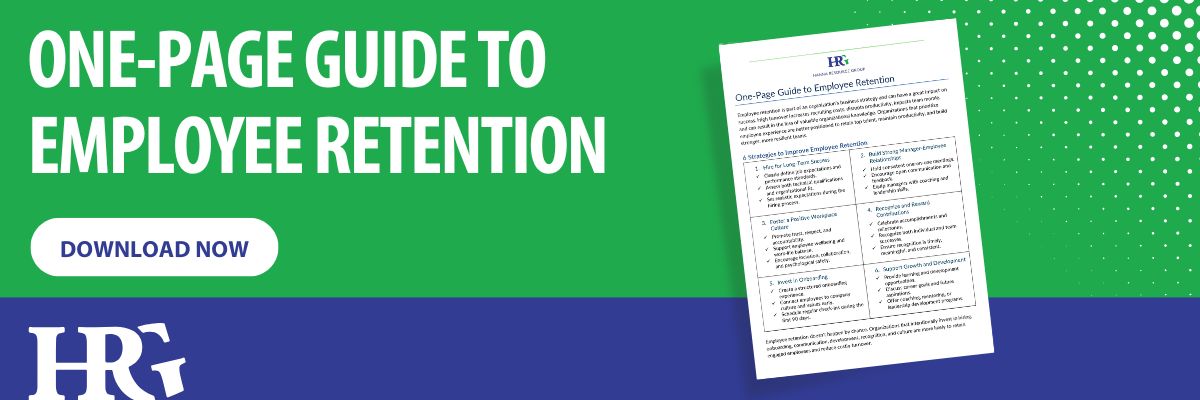
One-Page Guide to Employee Retention
Employee retention is a critical component of organizational success and plays an important role in long-term business performance.
High turnover can increase recruiting and onboarding costs, disrupt productivity, reduce team morale, and result in the loss of valuable institutional knowledge. Organizations that prioritize the employee experience are better positioned to retain top talent, strengthen engagement, and build resilient, high-performing teams.
Our free One-Page Guide to Employee Retention provides practical strategies to help organizations improve retention and create a workplace where employees are more likely to stay and succeed.
Click here to access our free One-Page Guide to Employee Retention.
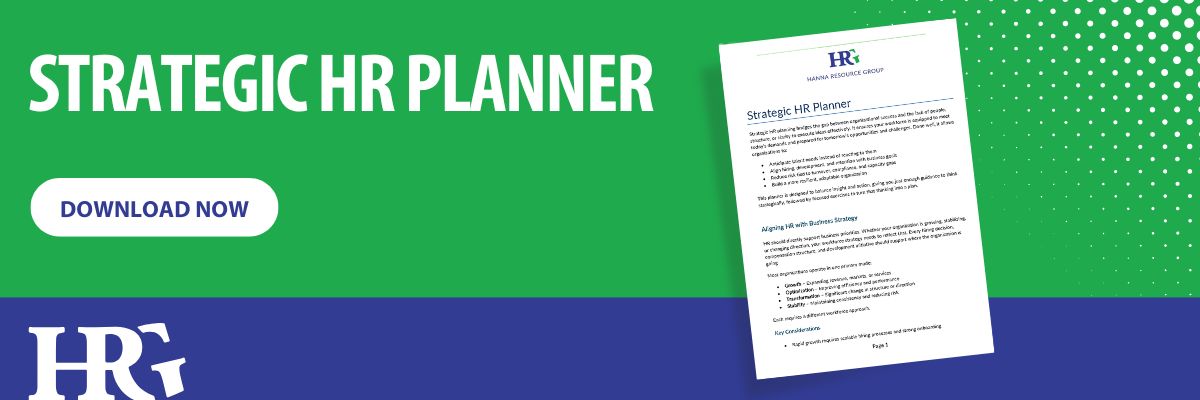
Strategic HR Planner
Strategic HR planning helps organizations align their workforce with long-term business objectives, ensuring they have the people, processes, and capabilities needed to achieve sustainable success.
Rather than reacting to workforce challenges as they arise, strategic planning enables organizations to anticipate talent needs, align hiring and development with organizational goals, reduce risks related to turnover and compliance, and build a more adaptable workforce.
Our Strategic HR Planner combines practical guidance with actionable planning exercises to help organizations develop a thoughtful, forward-looking people strategy.
Click here to access our free Strategic HR Planner.
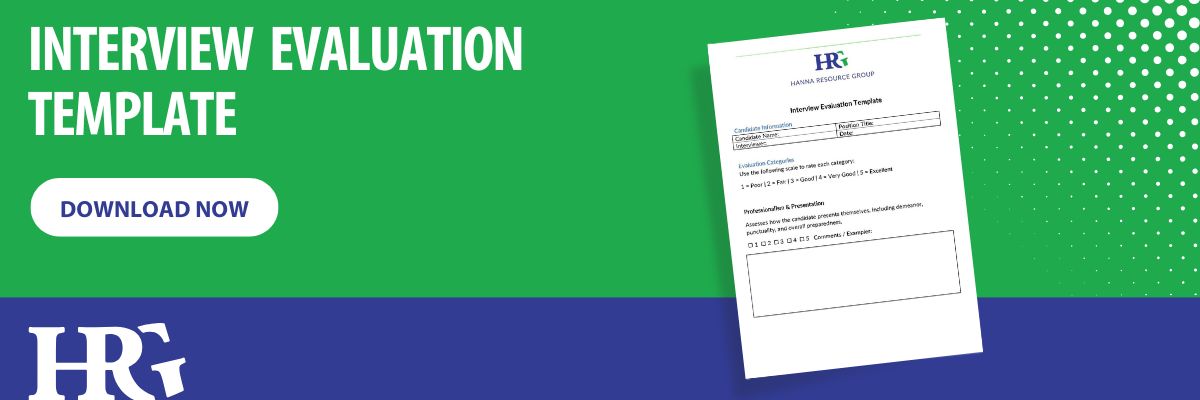
Interview Evaluation Template
Hiring the right candidate requires a consistent and objective evaluation process. Without a standardized approach, interview decisions can be influenced by unconscious bias, inconsistent criteria, or incomplete documentation. A structured interview evaluation helps hiring teams assess candidates more fairly, compare applicants consistently, and make confident, evidence-based hiring decisions.
Our Interview Evaluation Template provides a practical framework for evaluating candidates across key competencies, including communication, problem-solving, teamwork, adaptability, technical proficiency, and cultural alignment. It also includes space for behavioral interview notes, overall observations, and hiring recommendations, helping organizations create a more organized and effective hiring process.
Click here to access our free Interview Evaluation Template.
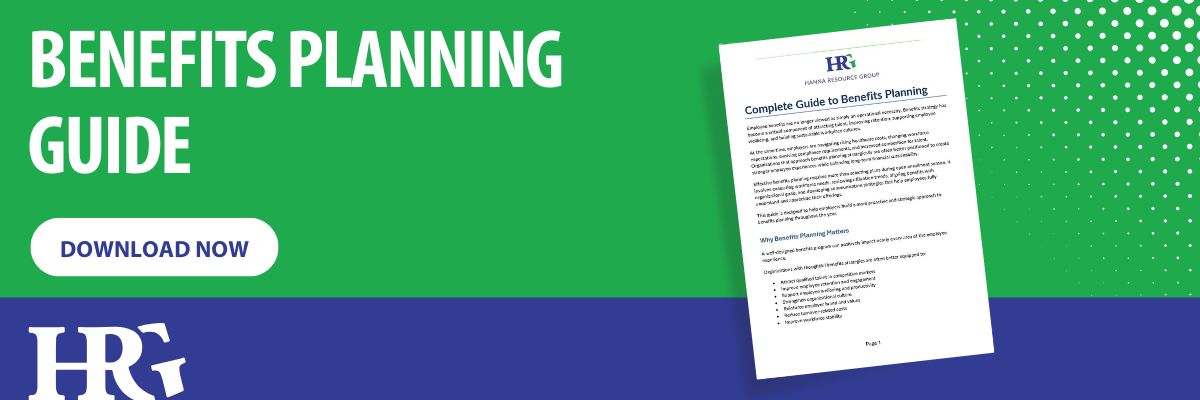
Benefits Planning Guide
A well-designed benefits strategy has become an essential part of attracting and retaining talent, supporting employee well-being, and fostering a positive workplace culture.
Organizations that take a strategic approach to benefits planning are better positioned to meet the evolving needs of their workforce while balancing long-term financial sustainability. Regular planning also helps ensure benefits remain competitive, relevant, and aligned with organizational goals.
Our Benefits Planning Guide provides a practical framework for evaluating and planning employee benefits throughout the year.
Click here to access our free Benefits Planning Guide.
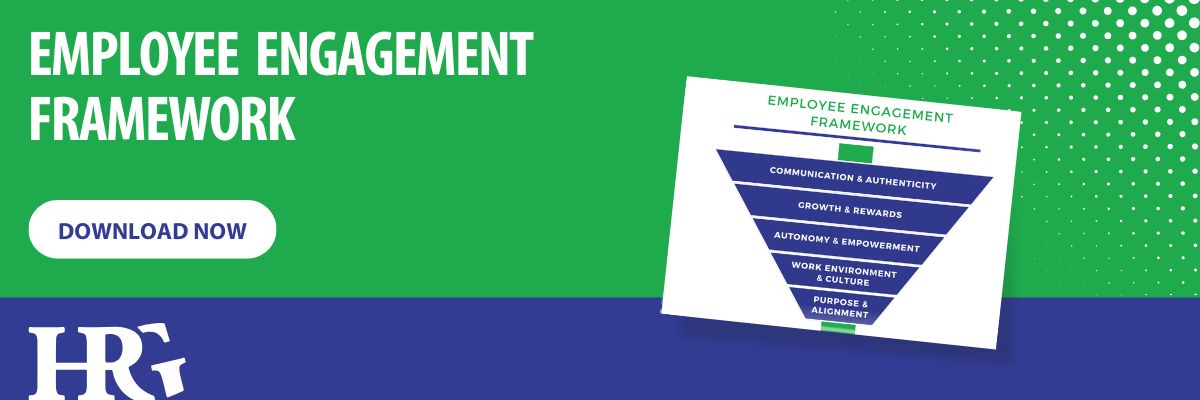
Employee Engagement Framework
Employee engagement reflects the level of commitment, motivation, and connection employees feel toward their work and their organization.
Organizations with highly engaged employees often experience stronger retention, improved productivity, greater innovation, and healthier workplace cultures. Building engagement requires an intentional approach that fosters trust, professional growth, empowerment, belonging, and a clear connection between employees’ work and the organization’s mission.
Our Employee Engagement Framework outlines five core pillars of engagement:
-
- Communication & Authenticity
- Growth & Rewards
- Autonomy & Empowerment
- Work Environment & Culture
- Purpose & Alignment
It also includes practical best practices and self-assessment questions to help organizations evaluate their current approach and identify opportunities for improvement.
Click here to access our free Employee Engagement Framework.
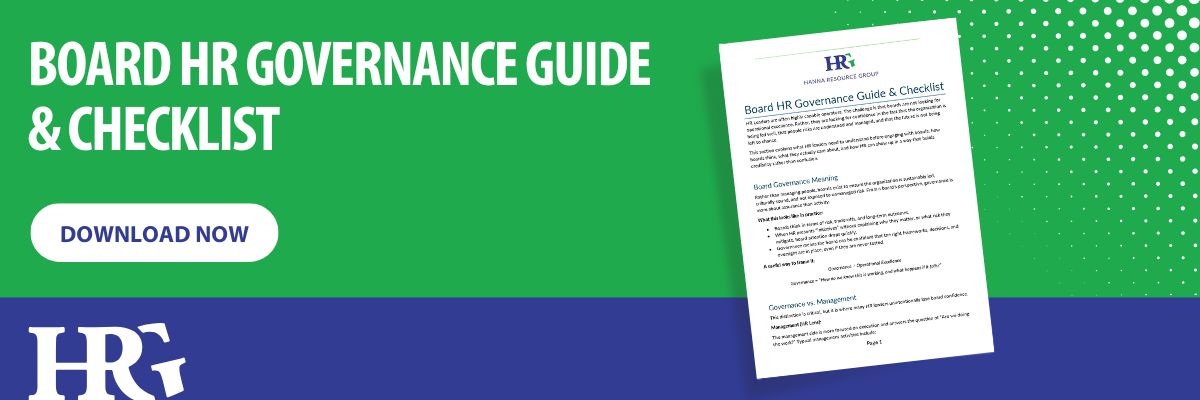
Board HR Governance Guide & Checklist
Effective HR governance helps boards fulfill their oversight responsibilities while providing organizational leaders with greater confidence in their people strategy.
Boards increasingly expect meaningful insight into workforce risks, leadership development, succession planning, culture, and compliance—not simply operational updates. Preparing for these conversations requires clear, strategic reporting and a governance-focused approach.
Our Board HR Governance Guide & Checklist helps HR leaders focus on the six workforce topics boards care about most and provides practical tools to strengthen board-level reporting and discussions.
Click here to access our free Board HR Governance Guide & Checklist.
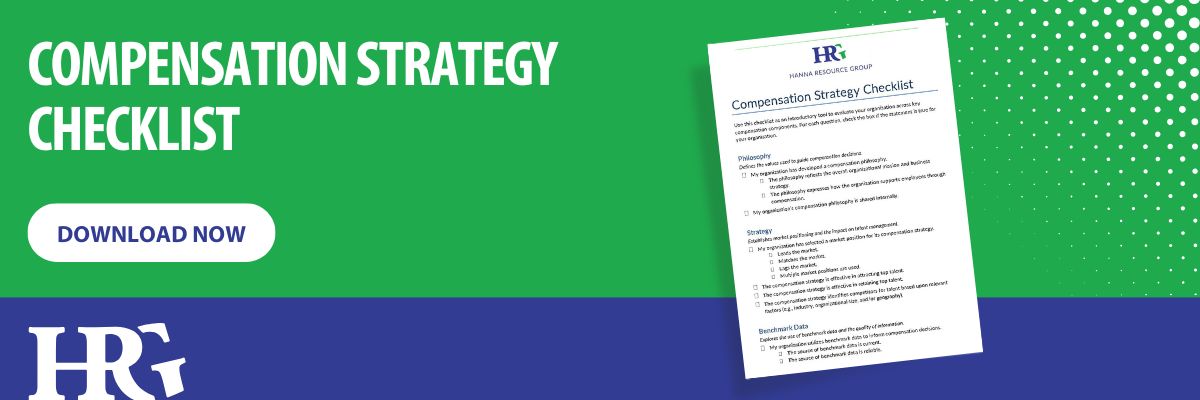
Compensation Strategy Checklist
An effective compensation strategy helps organizations attract top talent, retain high performers, and support long-term business success. Compensation decisions that are guided by a clear philosophy, informed by reliable market data, and communicated transparently are more likely to foster trust, improve employee satisfaction, and strengthen organizational performance.
Regularly evaluating your compensation strategy also helps ensure it remains equitable, competitive, financially sustainable, and aligned with evolving business goals.
Our Compensation Strategy Checklist provides a practical framework for assessing the key components of an effective compensation program, including compensation philosophy, market positioning, pay equity, benchmark data, pay-for-performance, communication, and long-term sustainability.
Click here to access our free Compensation Strategy Checklist.
Strategic Job Description Framework
A well-crafted job description is the foundation of effective talent management and supports many of an organization’s most important workforce decisions.
Clear, strategic job descriptions help define roles and responsibilities, establish expectations, support equitable compensation, guide performance management, and improve recruiting outcomes. They also provide the consistency organizations need to make informed decisions about hiring, promotions, workforce planning, and organizational growth.
Our Strategic Job Description Framework walks you through the essential components of an effective job description, providing practical guidance to help you create clear, consistent, and strategically aligned role descriptions.
Click here to access our free Strategic Job Description Framework.
Supporting Your HR Success
Strong HR strategies are built on informed decisions, practical tools, and a commitment to continuous improvement. We hope these complimentary resources provide valuable insights that help you strengthen your people practices, support your workforce, and achieve your organization’s goals.
If you have questions about any of these resources or would like guidance on addressing your organization’s unique HR challenges, our team at Hanna Resource Group is here to help. Whether you need support with strategic planning, talent management, compensation, employee engagement, compliance, or another HR initiative, we’d love the opportunity to partner with you.
Contact us today to learn how we can help your organization build a stronger workplace and achieve lasting success.